Kitty Cat Paper Cut Print Vector Review
A First Look at the Kitty Cat Paper Cut Print, Vector
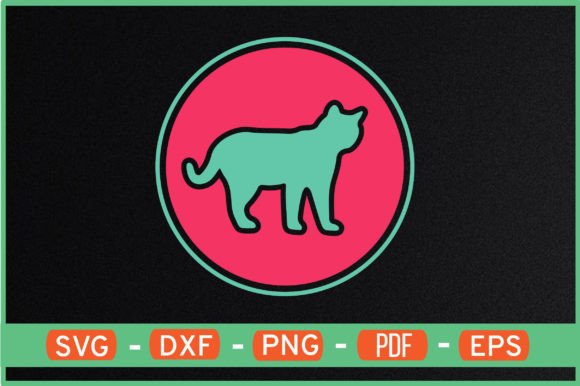
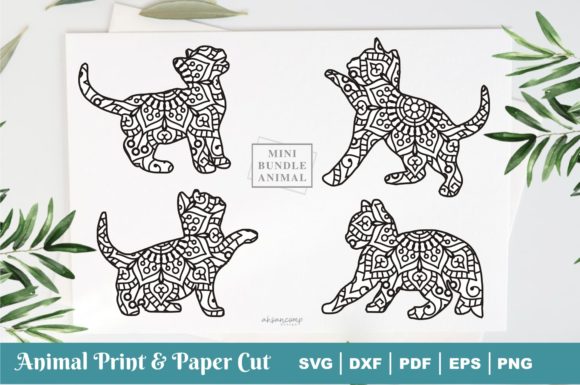
When I first saw the Kitty Cat Paper Cut Print, Vector, it immediately felt like a design that could bridge the gap between whimsy and craftsmanship. The silhouette of the cat is clean, with sharp edges that mimic the look of a paper cutout. It has a delicate, almost artistic feel to it—something that would work well in both personal and commercial embroidery projects.
The mood it creates is playful yet refined. It's not overly detailed, which makes it versatile for different applications. The layout is balanced, and the shape feels natural, as if it was designed with stitching in mind. This kind of visual personality makes it ideal for items like tote bags, baby clothes, or even embroidered patches for a boutique shop.
How It Stands Up in Real Embroidery Projects
I tested the Kitty Cat Paper Cut Print, Vector on a custom embroidered tote bag project. The design stitched cleanly, with no distortion or misalignment. The lines were crisp, and the overall look was consistent with what I expected from a vector-based machine embroidery file. It worked especially well on medium-weight cotton fabric, where the texture didn't interfere with the stitch clarity.
For a sweatshirt embroidery project, I found that the design maintained its visual appeal even when scaled slightly. The negative space around the cat helped it stand out without overwhelming the garment. This makes it a great choice for custom apparel or personalized gifts.
If you're thinking about using this in baby embroidery projects, like onesies or blankets, the design’s gentle nature fits perfectly. It’s not too bold, but still engaging for young children. I also noticed that it works well as an embroidered patch—a small, standalone piece that can be added to jackets, backpacks, or even home decor items like pillow covers.
Where to Use It with Caution
While the Kitty Cat Paper Cut Print, Vector is a strong design, there are certain scenarios where you might need to adjust your approach. For example, when working with small hoop sizes, the detail might get lost, especially if the design is scaled down too much. I recommend checking the hoop size requirements before starting any project.
Textured fabrics or thin fabric could affect how the stitches hold up over time. I always suggest testing the design on a scrap piece of fabric first and using a proper stabilizer to ensure durability. On dark fabric, the contrast of the design may not be as visible unless you use thread colors that pop against the background.
If you plan to use this on curved surfaces like caps or hats, make sure the design doesn’t have intricate corners that could cause puckering during stitching. Also, for dense stitch areas, consider adjusting the stitch density to avoid fabric strain.
Design Impact and Practical Considerations
The Kitty Cat Paper Cut Print, Vector adds a subtle charm to any handmade product. It elevates the visual appeal of the finished item, making it more attractive to potential buyers. Whether you're an Etsy seller or running a craft business, this design can help create a sense of professionalism and attention to detail.
When used in commercial embroidery projects, it maintains a consistent look across multiple items, which is essential for brand consistency. It also has good giftability, especially for holidays or special occasions. The design is recognizable enough to be memorable but not so generic that it lacks uniqueness.
As an embroidery designer, I value designs that can be adapted easily. The Kitty Cat Paper Cut Print, Vector offers flexibility for different embroidery projects, from holiday embroidery to everyday wear. It’s also a solid option for printable mockups or digital product previews when showcasing your work online.
Embroidery Designer Notes
Before using the Kitty Cat Paper Cut Print, Vector in any real project, take some time to test it. Run a few test stitches on scrap fabric to see how it looks in different thread colors and under various lighting conditions. Check the stitch density and adjust it if needed, especially if you’re using it on stretchy fabric.
Also, review the hoop size requirements and confirm whether the design is suitable for your specific machine embroidery design setup. If you're planning to sell finished items or digital embroidery files, make sure to check the licensing terms to avoid any legal issues later on.
Lastly, don’t forget to inspect small details and test the design in black and white mockups to ensure it still looks good on light and dark fabric backgrounds. These steps will help you deliver a high-quality finished product that meets customer expectations and reflects your skill as a designer.